
How Does a Terminal Bus Bar Improve Electrical Distribution Efficiency?
A terminal bus bar is a conductive, pre-engineered component designed to centralize, distribute, and organize electrical power within industrial, commercial, and automation systems. It serves as a stable junction point for incoming and outgoing electrical circuits, enabling safe, low-resistance current flow while simplifying wiring architecture. Within modern power distribution frameworks, terminal bus bars are widely applied in control cabinets, switchgear assemblies, energy storage systems, power converters, photovoltaic arrays, transportation systems, and machinery control units.
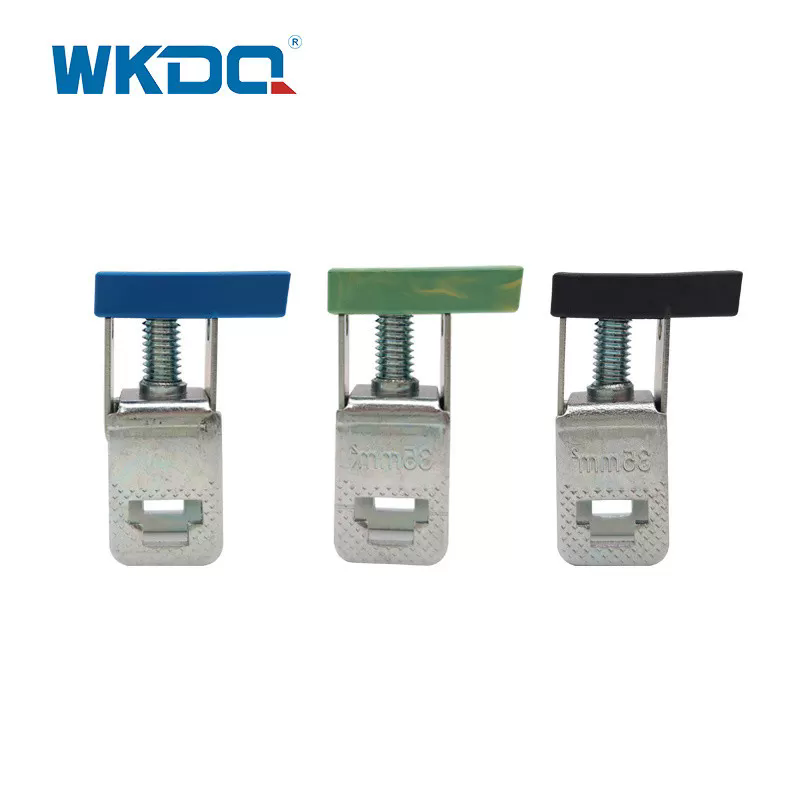
To form a foundational understanding, the following table outlines typical technical parameters used when specifying terminal bus bars in industrial applications:
| Parameter | Description |
|---|---|
| Material Options | Copper (TPC, ETP), Tin-plated copper, Aluminum alloys |
| Current Rating Range | 50A–2000A depending on cross-section and material |
| Cross-Section Dimensions | 10×3 mm to 50×10 mm and beyond for custom builds |
| Operating Voltage | Commonly 600V–1500V depending on system design |
| Temperature Resistance | −40°C to +120°C, higher with specialized coatings |
| Mounting Configuration | DIN rail, panel-mounted, insulated supports |
| Surface Treatment | Tin plating, nickel plating, epoxy coating |
| Insulation | PVC, PA66, PC, fiberglass composite supports |
| Standards | UL508A, IEC/EN regulations based on application |
The remainder of the text explores how these parameters align with performance expectations, integration needs, and future adoption patterns across power-intensive sectors.
System Function, Engineering Considerations, and Application Logic
In industrial power distribution, electrical engineers evaluate terminal bus bars based on mechanical strength, conductive efficiency, environmental resilience, and compatibility with connection methods such as bolted joints, screw clamps, power lugs, and modular terminal blocks. A key functional objective is minimizing resistive losses, voltage drop, and thermal hotspots within the wiring structure. Material selection is essential: copper bus bars exhibit superior conductivity and are favored in precision control systems, while aluminum options provide weight and cost advantages in large-scale power systems where conductivity loss can be offset by larger cross-sections.
Engineering teams also assess short-circuit withstand capability. A terminal bus bar must remain structurally stable during transient fault currents that may reach several times its nominal rating. Proper spacing, insulation supports, and creepage/clearance calculations are required to prevent arc formation and ensure compliance with regulatory guidelines. System designers also evaluate how the bus bar integrates with terminal modules, fuses, disconnect switches, and power semiconductor devices, aligning with cabinet-level airflow and thermal management strategies.
Mounting architecture plays a significant role in installation speed and maintenance efficiency. DIN-rail adaptable designs expedite on-site assembly, while panel-mounted bus bars offer maximum rigidity for high-current environments. To maintain long-term reliability, protective plating such as tin coating is often applied to prevent oxidation and contact resistance buildup, especially in environments exposed to humidity, chemical vapors, or fluctuating temperatures.
Common Questions and Answers
Q: What factors determine the current rating of a terminal bus bar?
A: The current rating depends on conductor material, cross-sectional area, allowable temperature rise, and ambient cooling environment. Regulatory standards also define maximum permissible heating, ensuring the bus bar can sustain designated loads without mechanical deformation or risk of insulation damage.
Q: How does surface plating improve bus bar performance?
A: Plating treatments such as tin or nickel reduce oxidation, prevent corrosion, stabilize contact resistance, and provide long-term durability under electrical load. In high-humidity or corrosive settings, plating ensures stable electrical performance and reduces maintenance frequency.
Comparative Landscape, Industrial Deployment Scenarios, and Forward-Looking Expectations
Terminal bus bars are increasingly deployed in industries that require compact power distribution with high reliability and streamlined cable management. Facilities integrating automation, robotics, decentralized energy systems, or modular production lines rely on bus bars to consolidate wiring complexity, reduce installation labor, and achieve superior system clarity. Compared with traditional terminal wiring arrangements, a bus bar architecture provides cleaner routing paths, improved heat dissipation, and enhanced scalability when expanding or reconfiguring electrical loads.
Modern manufacturing trends emphasize sustainability, load efficiency, and digital monitoring infrastructure. In this context, terminal bus bars support energy-dense applications such as battery management systems, electric vehicle charging equipment, and power conversion units in renewable energy sectors. Engineers frequently evaluate design adaptability, allowing bus bars to support multi-circuit branching, multi-pole distribution, or hybrid combinations of copper and composite insulating elements.
The shift toward distributed energy resources and microgrid development is accelerating demand for modular power distribution components. Terminal bus bars are suited for integration with smart circuit protection devices, enabling remote diagnostics and controlled segmentation of power networks. Additionally, advancements in thermoplastic insulation materials and precision stamping processes support lighter, more compact bus bar assemblies, enabling more efficient cabinet designs for advanced industrial automation systems.
Practical Implementation Guidance, Maintenance Mechanics, and Closing Remarks
When installing terminal bus bars within an electrical cabinet or machinery enclosure, practitioners assess torque specifications, mechanical clearance, conductor lug compatibility, and thermal load distribution. Proper assembly requires using standardized fasteners, ensuring uniform pressure across bolted connections, and verifying that all mating surfaces are clean and appropriately plated. During commissioning, thermal imaging tools may be used to detect hotspots and confirm proper load balancing. Periodic inspections check for signs of corrosion, loose terminals, insulation degradation, or overstressed connection points.
To maintain operational integrity, facility managers implement inspection cycles aligned with system load profiles. High-current systems may require more frequent evaluations, including micrometer measurements of conductor surface conditions and verification of torque retention. Where environmental stressors are present—such as marine, mining, or chemical processing environments—engineers may introduce additional insulation, moisture barriers, or protective housings around the bus bar system.
Terminal bus bars will continue to play an essential role in optimizing electrical distribution frameworks across manufacturing, energy, infrastructure, and transport sectors. Their structural simplicity, stability, and flexibility make them an indispensable element of power engineering design. Organizations seeking durable, high-performance solutions often rely on brands with a record of precision manufacturing and quality assurance. Wonke provides engineered terminal distribution components designed to support demanding applications across a wide range of industrial sectors. For detailed specifications, technical consultation, or project support, contact us for further information.