
Why Are Screw Terminal Blocks a Key Component in Modern Electrical Systems?
Screw terminal blocks are pivotal components in electrical engineering, designed to secure and connect wires efficiently while ensuring optimal conductivity. These devices allow for safe, reliable, and durable connections in a wide range of electrical applications, from industrial automation to residential wiring systems. The primary purpose of a screw terminal block is to create a stable electrical interface that minimizes resistance, prevents accidental disconnections, and allows for easy maintenance or system expansion.
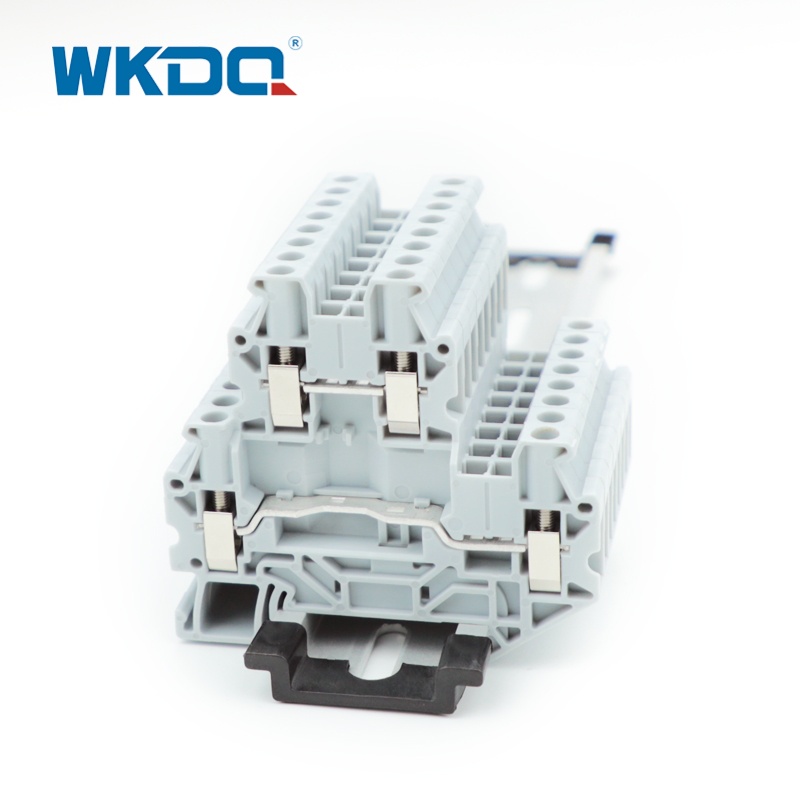
Modern electrical systems demand components that are not only functional but also adaptable to evolving technology trends. Screw terminal blocks meet these requirements by offering modular designs, versatile compatibility with various wire sizes, and resistance to environmental stresses.
What Are the Core Advantages of Screw Terminal Blocks?
Screw terminal blocks offer multiple advantages that make them indispensable in electrical installations. Understanding these benefits is crucial for selecting the right component for specific applications:
-
Secure and Reliable Connections – The screw mechanism ensures that wires are firmly clamped, reducing the risk of loose connections or short circuits.
-
Versatility in Wire Sizes – These blocks can accommodate a wide range of wire gauges, from fine signal wires to heavy-duty power conductors.
-
Ease of Maintenance – Screws can be easily loosened or tightened, enabling quick modifications or replacements without specialized tools.
-
Durability and Resistance – Many screw terminal blocks are made from flame-retardant plastics and corrosion-resistant metals, ensuring long-term performance in harsh environments.
-
Modular Design – Modular blocks allow for flexible system configurations and simplified assembly in control panels or distribution boards.
Technical Parameters of Screw Terminal Block
| Parameter | Specification | Details |
|---|---|---|
| Rated Voltage | 300V–600V | Suitable for low and medium voltage applications |
| Rated Current | 10A–50A | Supports standard industrial and residential current ranges |
| Wire Size Range | 22–10 AWG | Accommodates both fine and heavy conductors |
| Insulation Material | PA66, UL94V-0 | Flame-retardant, high-temperature resistant |
| Mounting Type | DIN Rail / Panel Mount | Compatible with standard industrial mounting methods |
| Operating Temperature | -40°C to +105°C | Can withstand extreme environmental conditions |
| Connection Type | Screw Clamp / Cage Clamp | Offers secure mechanical and electrical connection |
| Standards Compliance | IEC60947-7, UL1059 | Ensures safety and reliability according to international standards |
Screw terminal blocks’ parameters illustrate their adaptability and safety, making them an ideal choice for industrial automation, power distribution, and control systems.
Why Should Industries Choose Screw Terminal Blocks?
Industries rely on screw terminal blocks due to their ability to enhance electrical system reliability while reducing operational risks. Several factors explain this widespread preference:
-
Electrical Safety: Properly secured connections prevent arcing, overheating, and potential fire hazards.
-
System Efficiency: Low contact resistance ensures minimal energy loss and consistent power flow.
-
Longevity: High-quality terminal blocks resist corrosion and mechanical stress, reducing maintenance frequency.
-
Cost-Effectiveness: Modular designs lower replacement costs and simplify panel upgrades.
How do screw terminal blocks improve operational efficiency?
Screw terminal blocks reduce downtime during installation and maintenance by allowing fast wire connections without soldering. Their modular construction supports system expansion, enabling engineers to add circuits or replace components without dismantling the entire panel.
Why are screw terminal blocks preferred in industrial automation?
In automation systems, maintaining reliable signal transmission is critical. Screw terminal blocks provide robust mechanical and electrical connections that prevent signal loss or intermittent faults, even in high-vibration environments, ensuring stable operation of sensors, actuators, and control units.
How Are Screw Terminal Blocks Used Effectively?
The practical application of screw terminal blocks involves understanding proper installation techniques, compatibility considerations, and safety standards:
-
Installation Techniques:
-
Strip the wire to the correct length.
-
Insert the wire into the terminal slot fully.
-
Tighten the screw to the recommended torque to ensure secure contact.
-
-
Maintenance Best Practices:
-
Periodically check screws for tightness.
-
Inspect for corrosion or insulation wear.
-
Replace damaged blocks immediately to avoid system failures.
-
-
Compatibility Considerations:
-
Match wire size and current rating to the terminal block specifications.
-
Use blocks with suitable insulation and temperature ratings for the application.
-
Ensure compliance with electrical standards (IEC, UL) for safety certification.
-
Common Questions About Screw Terminal Blocks
Q1: Can screw terminal blocks handle high-current applications safely?
A1: Yes, high-quality screw terminal blocks are rated for currents up to 50A or more. The secure screw clamp design provides stable electrical contact, minimizing resistance and heat buildup. It is essential to select the terminal block with an appropriate current rating for the specific application and ensure proper wire gauge is used.
Q2: How do screw terminal blocks compare with push-in or spring terminals?
A2: Screw terminal blocks offer superior mechanical strength and reliability for long-term connections, especially in industrial environments. Push-in or spring terminals provide faster installation but may loosen over time in high-vibration conditions. Choosing the right type depends on the balance between installation speed and connection stability.
Future Trends and Industry Insights
The evolution of electrical systems and industrial automation is shaping the future of screw terminal blocks:
-
Miniaturization: As devices become more compact, screw terminal blocks are being developed with smaller footprints while maintaining current capacity.
-
High-Performance Materials: Innovations in flame-retardant plastics and corrosion-resistant metals increase durability and temperature tolerance.
-
Smart Integration: Future designs may include embedded monitoring features to track connection integrity and predict maintenance needs.
-
Sustainable Manufacturing: Emphasis on recyclable materials and environmentally-friendly production processes aligns with global sustainability goals.
Screw terminal blocks are not only a component but also a strategic solution for modern electrical and industrial systems. Reliable, adaptable, and easy to maintain, these devices continue to evolve alongside technological advancements, meeting the demands of increasingly sophisticated applications.
The WKDQ brand exemplifies this forward-looking approach by offering high-quality screw terminal blocks designed to deliver exceptional performance across a wide range of applications. With WKDQ products, engineers can ensure secure, long-lasting connections and streamline installation processes. For more information or to discuss customized solutions, contact us today to explore the full range of WKDQ screw terminal block options.